What Makes Zirconia Dental Crowns So Popular?
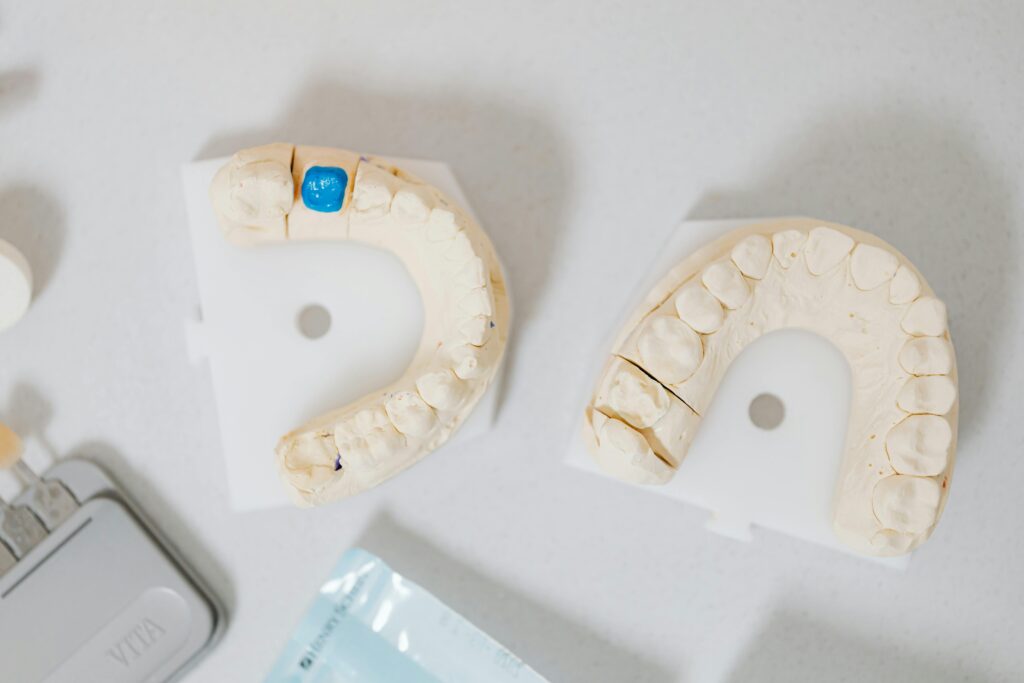
Zirconia crowns have moved from being a niche restorative option to a routine recommendation in many dental practices, and that shift did not happen by accident. Patients ask for them by name now. Dentists who were once cautious about using zirconia outside the back teeth often place it in a far wider range of cases. Labs have refined their workflows around it. When a material gains that kind of traction across clinicians, technicians, and patients at the same time, it is usually because it solves several everyday problems better than the alternatives.
The popularity of zirconia dental crowns comes down to a mix of strength, appearance, reliability, and practicality. That sounds simple enough, but each of those factors matters in a very specific way when someone is choosing a crown. A patient wants a tooth that looks normal, feels comfortable, and does not fracture during dinner six months later. A dentist wants a material that can handle bite forces, fit well, and allow predictable cementation. A lab wants something that mills accurately and performs consistently. Zirconia checks a surprising number of those boxes.
There is also a larger shift in how people think about dental treatment. Years ago, many patients accepted that crowns on back teeth would be strong but obvious, while crowns on front teeth would look good but require more caution. That trade-off is less acceptable now. People expect both. Zirconia has earned its reputation because it often gets very close to delivering both in one restoration.
Why material choice matters more than most patients realize
A crown is not just a cap placed over a damaged tooth. It is a long-term engineering decision inside a wet, high-pressure, constantly changing environment. Every day, that crown handles temperature swings from coffee to ice water, repeated pressure from chewing, acids from food, grinding in some patients, and the subtle movement of the surrounding teeth and gums. Even small flaws in the material or design can show up months or years later as chipping, wear, looseness, or recurrent decay at the margin.
When people compare Dental Crowns, they often focus on color and cost first. Those are valid concerns, but they are only part of the picture. The crown material affects how much tooth structure must be removed, how likely the restoration is to crack, how it wears against the opposing teeth, and how natural it looks under different lighting. It also influences how forgiving the restoration is if the patient clenches at night or has a limited amount of remaining tooth to support it.
That is where zirconia becomes so appealing. It offers a combination that is difficult to match. Historically, porcelain-fused-to-metal crowns were the workhorse option because they were durable and familiar. Full porcelain and other ceramic crowns improved esthetics but could be more vulnerable in heavy-bite situations. Gold remains excellent in function, yet many patients simply do not want a metallic restoration. Zirconia entered that landscape with the promise of high strength and increasingly good esthetics, and the material has improved enough over time that the promise became practical reality.
What zirconia actually is
Zirconia, in dentistry, refers to zirconium dioxide, a ceramic material known for its impressive mechanical properties. It is not a metal crown, though patients sometimes assume it is because they hear that it is “strong like metal.” It is a tooth-colored ceramic, but not the same type of ceramic many people picture when they think of fragile porcelain.
One reason zirconia stands out is that it behaves differently from more brittle ceramics. In clinical terms, it has a high fracture resistance. That matters because crowns fail in the real world not from abstract laboratory tests, but from cumulative stress. Someone bites a crusty piece of bread on a tooth that already has a large filling underneath. Another person clenches through the night for years without knowing it. A restoration that tolerates those forces has a real advantage.
Modern zirconia is also not a single uniform product. There are different generations and formulations, some prioritizing strength, others prioritizing translucency. Earlier zirconia materials were very tough but often too opaque for highly visible front teeth. Newer versions let more light pass through, which improves the natural look. That evolution is a major reason zirconia crowns became mainstream instead of staying limited to molars.
Strength is the first reason people trust it
If you ask many dentists why they reach for zirconia, their first answer is usually strength. That is not marketing language. It is practical chairside judgment. Posterior teeth, especially molars, absorb substantial chewing forces. In patients who grind or clench, the force can be extreme. A crown material that performs well in those conditions reduces the chance of catastrophic failure.
In practice, strength influences treatment decisions from the start. If a tooth has lost a lot of structure, if the patient has a history of breaking restorations, or if the space for the crown is limited, zirconia often becomes an appealing option because it can perform well even in thinner dimensions than some other ceramics. That can preserve more of the natural tooth during preparation, which is never a trivial benefit. The less healthy tooth structure removed, the better the long-term odds in many cases.
I have seen patients arrive convinced that every ceramic crown is delicate because they had an older porcelain crown chip years earlier. Their skepticism is understandable. Once that experience happens, trust is hard to rebuild. Zirconia often changes that conversation because its track record under load is strong enough that both dentist and patient feel more confident, especially for heavily used teeth.
Of course, strong does not mean indestructible. A poorly designed crown, inadequate tooth preparation, an unstable bite, or severe untreated grinding can still cause problems. Material alone cannot rescue weak planning. Still, when everything else is done well, zirconia offers a margin of safety that many clinicians value.
Esthetics improved enough to change the market
Strength alone does not explain zirconia’s popularity. If it still looked chalky and opaque in every case, its use would remain limited. What changed is the esthetic quality of newer zirconia. It can now look far more natural than early versions, especially when selected appropriately and designed by a skilled lab.
Natural teeth are not one flat color. They have depth, brightness, subtle translucency, and slight variation from the gumline to the edge. Traditional metal-based crowns sometimes revealed a dark margin over time or lacked the lively appearance of enamel. Older zirconia crowns could appear too uniform or too dense in color. Newer multilayer zirconia addresses some of that by blending shades and translucency through the restoration rather than relying on a single block of color.
This matters most in visible areas. A front tooth crown is judged differently from a molar. Patients notice how it photographs, how it catches daylight, whether it matches the neighboring teeth, and whether the gumline looks natural around it. Zirconia is now esthetic enough that it can serve in many anterior cases, though this is where judgment matters. For the most demanding cosmetic work, especially when matching adjacent natural incisors with complex translucency, some dentists and ceramists may still favor other all-ceramic materials. Zirconia is excellent, but “excellent” is not always identical to “best for every front tooth.”
That nuance actually supports its popularity rather than weakening it. Materials become trusted when professionals understand both their strengths and their limits. Zirconia works beautifully across a broad range of cases, and that breadth is part of why it is recommended so often.
Patients like that it is metal-free
For many patients, the appeal of zirconia begins with a simpler idea: it is metal-free. That phrase carries both cosmetic and emotional weight. Some people dislike the possibility of seeing dark edges near the gums. Others had older crowns with a gray line that became more noticeable as the gums receded. Still others simply prefer the idea of a non-metal restoration.
There is also a small group of patients with sensitivities or concerns related to metals. Not every concern is grounded in a clinically significant allergy, but patient comfort matters. If a person feels uneasy about metal-based crowns and a strong, esthetic metal-free alternative exists, zirconia becomes an easy recommendation.
The absence of metal can also help the final restoration interact with light in a more tooth-like way. Even if a patient cannot articulate why one crown looks more natural than another, they often notice the difference intuitively. Dentistry is full of details patients do not name directly but absolutely perceive.
The digital workflow made zirconia even more attractive
Zirconia’s rise is closely tied to digital dentistry. Crowns are now frequently designed on a computer, milled with precision, then sintered and finished in a streamlined lab process. Zirconia fits this workflow extremely well. That matters more than many patients realize because consistency behind the scenes often translates into better fit, fewer remakes, and smoother appointments.
A well-made crown depends on a chain of steps, from the preparation and impression or scan to the design, milling, staining, sintering, and final adjustments. Zirconia performs well within that chain. Labs know how to work with it efficiently. Milling technology has matured. Dentists can often expect reliable turnaround and dependable results.
In some practices, the digital workflow also supports same-day or accelerated treatment. Not every zirconia crown is made in-office, and many complex cases are better handled by a full-service lab, but the broader digital compatibility of the material has certainly helped its adoption. A restorative option becomes more popular when it is not only clinically sound but also operationally practical.
It often works well for back teeth, bridges, and high-stress cases
One of zirconia’s strongest advantages is versatility in demanding situations. Back teeth are the obvious example. Molars take punishment. Patients rarely baby them, and many do not even realize how much force they generate there. A crown material that can handle repeated stress without frequent chipping earns loyalty quickly.
Zirconia is also common in patients with parafunctional habits such as clenching and grinding, though even then a night guard may still be important. I have heard some patients say, “If zirconia is so strong, why do I still need a guard?” The answer is that the guard protects more than the crown. It helps protect the opposing teeth, the jaw joints, and the remaining natural tooth structure too. Strength is helpful, but force management still matters.
Bridges are another area where zirconia gained traction. When replacing a missing tooth with a fixed bridge, the material has to endure stress across multiple units. Zirconia’s mechanical properties make it an attractive option in many of those cases, provided the case selection and design are appropriate.
Longevity plays a major role in its reputation
Popularity in dentistry is often a lagging indicator of clinical trust. Materials become popular not when they first appear, but when enough dentists have seen them perform over time. Zirconia benefited from that gradual accumulation of confidence. The early skepticism was real. Every new material faces it, and for good reason. Dentists remember the products that looked promising in brochures and disappointed in the mouth.
Zirconia built its reputation over years of service. While no crown lasts forever, zirconia is widely associated with long service life when it is well planned, well fabricated, and properly maintained. That expectation of durability matters to patients. A crown is not a casual purchase. Even when insurance helps, it is still a meaningful investment of time, money, and trust.
Patients also talk to one another. A person whose crown feels solid and trouble-free for years becomes an informal ambassador for the material. That is how popularity spreads in a very ordinary way, one practical experience at a time.
The trade-offs are real, and they should be part of the conversation
A balanced discussion of zirconia has to include the limitations. Any clinician who presents a material as perfect is overselling it. Zirconia is popular because it performs well overall, not because it is free of trade-offs.
One concern is esthetic nuance in highly demanding front-tooth cases. Even with improved translucency, zirconia may not always reproduce the depth and lifelike optical qualities that a master ceramist can achieve with other ceramics. If the patient has very translucent natural enamel, a complex smile line, or a strong preference for the finest cosmetic detail, another material may be worth considering.
Another issue is wear against the opposing teeth. This topic is more nuanced than older warnings suggested. Properly polished zirconia can be quite kind to opposing enamel, while rough, poorly adjusted surfaces can be more problematic. The key is finishing quality. A crown that is adjusted chairside and left rough is not the same as a crown that is carefully polished after adjustment. This is one of those technical details patients almost never see, yet it can influence long-term comfort and wear.
Bonding and cementation also require attention. Zirconia does not behave exactly like glass ceramics, so the protocol differs. Good clinicians know this and follow the right surface treatment and cementation approach for the case. Patients do not need to memorize the chemistry, but they benefit from being treated by someone who respects the details.
Cost can be another factor. Zirconia crowns are often competitively priced relative to other premium options, but prices vary by region, lab, and complexity. They are not always the cheapest choice, nor should they be selected on price alone. A crown that fits well, matches properly, and lasts is usually better value than a less expensive one that has to be replaced early.
Why dentists often recommend zirconia with confidence
Dentists tend to recommend the materials that Dental Crowns let them sleep at night. That phrase comes up often in private conversation because it captures the reality of restorative dentistry. A crown is not judged only on the day it is delivered. It is judged months and years later, when the patient returns and it is still functioning, still sealed, still comfortable, and still acceptable in appearance.
Zirconia gives many clinicians that confidence. It is strong enough for demanding bites, esthetic enough for a wide range of visible areas, compatible with modern digital workflows, and familiar enough now that labs and practices can produce consistent results. Those qualities reduce uncertainty, and reduced uncertainty is a powerful driver of popularity.
There is also the matter of patient communication. Zirconia is easy to explain in practical terms. It is durable, tooth-colored, and metal-free. Patients understand that quickly. They do not need a lecture in materials science to grasp why it might be a sensible choice.
Who tends to benefit most from zirconia crowns
Certain patient profiles come up repeatedly in zirconia discussions. Someone with heavy chewing forces is an obvious example. So is a patient who has fractured previous restorations. People who want a natural-looking crown on a back tooth without the look of metal are often strong candidates as well.
The best candidates often include those in the middle of the decision-making spectrum, patients who are not chasing the absolute highest level of boutique esthetics for a single front tooth, but who still care deeply about appearance and want a dependable restoration. In that large middle ground, zirconia is hard to beat.
That said, the final choice should always be individualized. A single central incisor in a highly visible smile zone presents different demands than a second molar. A patient with a deep bite, gum recession, or severe bruxism presents different risks than one with a very stable occlusion. Good dentistry is case-specific. Zirconia’s popularity should not erase that judgment. It should inform it.
The crown is only as good as the planning behind it
One reason patients sometimes hear mixed stories about the “same” type of crown is that material is only one part of the outcome. Tooth preparation, margin design, bite analysis, scanning accuracy, provisionalization, lab communication, and final adjustment all matter. A beautifully selected zirconia crown can still fail if the underlying tooth has a crack that was not addressed, if decay remains, or if the bite is left high.
This is worth emphasizing because popularity can sometimes create the illusion that a certain material is foolproof. It is not. Zirconia improves the odds in many situations, but it does not replace sound diagnosis and technique. The best results come when the material choice fits the biology, the bite, and the cosmetic goal.
Patients can help by asking practical questions. Why is this material being recommended for this tooth? Is strength the main reason, or esthetics, or both? How will it compare to other Dental Crowns in my case? Those questions usually lead to better decisions than asking which crown is “best” in the abstract.
What its popularity really says
Zirconia crowns are popular because they answer a very modern demand in restorative dentistry. People want restorations that are durable without looking artificial, and they want that result with as little compromise as possible. Dentists want materials that perform consistently, work well within digital systems, and hold up under real chewing forces. Labs want something precise and dependable. Zirconia sits at the intersection of all three.
Its rise also reflects maturity in the field. The material improved. The manufacturing improved. The finishing protocols improved. Clinicians learned where it shines and where a different ceramic may still be the better call. Popularity, in this case, is not hype. It is the result of repeated clinical success.
That does not mean every zirconia crown is automatically excellent, or that every patient should receive one. It means the material has earned its place. For many routine and high-demand situations alike, zirconia offers a blend of toughness, esthetics, and practicality that is difficult to ignore. That is why it keeps showing up in treatment plans, why patients keep hearing about it, and why it has become one of the most trusted options in modern dental restoration.
Omni Dental Specialty
1690 E Gonzales Rd, Oxnard, CA 93036, United States
+1 805-410-9603
FAQ About Dental Crowns
How long do crowns last on teeth?
A dental crown often lasts about five to fifteen years, although some last longer. Material, the underlying tooth, oral hygiene and grinding habits affect longevity. Regular dental examinations help identify wear, decay or a loose crown; no lifespan is guaranteed.
How much does a tooth crown cost?
There is no single price for every crown. Material, laboratory work, the condition of the tooth and any additional treatment affect the fee. Ask for a written estimate and confirm your insurance benefits, exclusions and out-of-pocket costs before treatment.
What is the downside of crowns on teeth?
A conventional crown usually requires irreversible removal of some tooth structure. Possible problems include sensitivity, chipping, loosening and decay at the crown margin; some teeth later need root canal treatment. Discuss your tooth's condition, material choices and suitable alternatives with your dentist.