Dental Crowns vs Veneers: Understanding the Difference
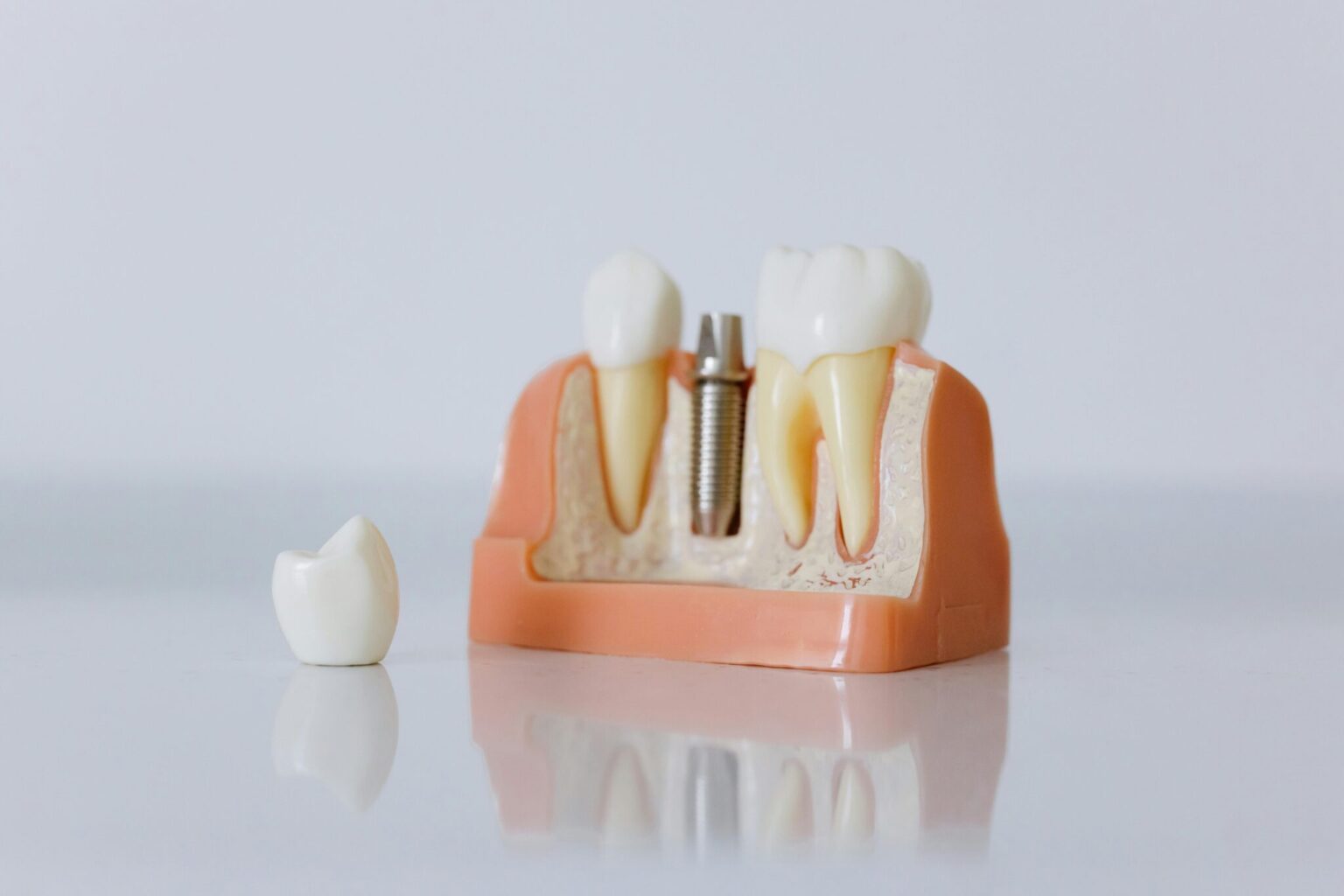
If you have ever sat in a dental chair and heard the words crown and veneer in the same conversation, you are not alone. Patients often assume they are close substitutes, two versions of the same cosmetic fix. In practice, they solve different problems, require different amounts of tooth preparation, and carry different expectations for longevity, maintenance, and aesthetics.
I have seen the confusion play out in a familiar way. Someone comes in asking for veneers because they want a better smile, but one front tooth has a large filling, a crack, or root canal history that makes a veneer a poor bet. Another patient is told they need a crown on a back molar and wonders whether a veneer would preserve more natural tooth. Those are fair questions. The right answer depends less on what sounds more attractive and more on what the tooth can safely support over time.
Understanding where Dental Crowns fit, and where veneers make more sense, starts with a simple distinction. A crown covers the entire visible portion of a tooth above the gumline. A veneer covers mainly the front surface, with some wrapping around edges depending on the design. That structural difference drives almost everything else, from strength to cost to the amount of enamel that can be preserved.
The basic difference in plain language
Think of a veneer as a custom porcelain facing bonded to the front of the tooth. It is primarily a cosmetic restoration, though it can also correct minor shape issues, small chips, uneven edges, and certain cases of discoloration that whitening cannot fix. Veneers are most often used on front teeth because that is where appearance matters most and biting forces, while still significant, are more manageable than on molars.
A crown is more like a cap that fits over the tooth. It restores shape and appearance, but its real value often lies in protection and reinforcement. When a tooth has lost a lot of structure from decay, fracture, a large old filling, or endodontic treatment, a crown distributes biting forces more safely. That is why crowns are common on molars and premolars, though they are also used on front teeth when the tooth needs more than a cosmetic surface upgrade.
The distinction matters because healthy enamel is precious. Veneers generally rely on bonding to enamel for long-term success. Crowns usually require more reduction of the tooth to create room all the way around. If a tooth is structurally sound and the concern is mostly aesthetic, preserving enamel with a veneer can be a smart move. If the tooth is already heavily compromised, preserving a thin shell of weak structure just to avoid a crown can be the wrong kind of conservative.
Why the diagnosis matters more than the product
Many treatment discussions drift too quickly toward materials and price. Porcelain versus zirconia. Lab-made versus same-day. Brand names. Those details matter, but they matter after the diagnosis. The first question is always this: what is wrong with the tooth, and what kind of restoration gives it the best chance to function well five, ten, or fifteen years from now?
A patient with a small, intact front tooth and deep intrinsic staining from old trauma is a very different case from someone with a front tooth that has a large filling taking up half the visible surface. On the first tooth, a veneer may be ideal. On the second, the remaining structure may flex too much or provide unreliable bonding margins, making a crown the safer option.
Bite also changes the equation. Someone with heavy clenching, edge-to-edge bite, or a habit of chewing ice will place very different demands on a restoration than someone with a softer bite and well-aligned teeth. Veneers can look beautiful, but they are not invincible. Crowns can be very strong, but strength does not cancel poor planning. I have seen gorgeous restorations fail simply because the bite was never properly evaluated.
When veneers are usually the better fit
Veneers shine when the tooth is largely healthy and the patient wants to improve appearance without changing the entire tooth. They are often chosen for front teeth that are stained, slightly misshapen, mildly worn, or separated by small gaps. They can create a dramatic cosmetic improvement while preserving more natural tooth than a full crown.
They are especially useful when discoloration is resistant to whitening. Tetracycline staining, enamel defects, and some trauma-related darkening can be difficult to mask with bleaching alone. In those cases, porcelain veneers can deliver color control, translucency, and surface texture that look natural in a way direct bonding sometimes cannot.
That said, veneers are technique-sensitive. They depend on meticulous planning, good impressions or scans, careful bonding, and enough enamel for adhesion. If too much tooth structure is already gone, or if most of the remaining surface is old filling material, a veneer can become a risky compromise.
When Dental Crowns make more sense
Dental Crowns are usually the better choice when the tooth needs protection as much as, or more than, cosmetic improvement. A cracked tooth is a classic example. So is a tooth with a large cavity that leaves thin cusps likely to fracture under pressure. Another common situation is a tooth after root canal treatment, particularly a back tooth, where the tooth may become more brittle and need full coverage to reduce fracture risk.
Crowns are also useful when the tooth already has extensive restorations. If a front tooth has a large filling on the front, side, and back, calling it a veneer case may sound conservative, but the biology may say otherwise. At that point, a crown often offers a better seal, more predictable contours, and improved structural support.
There are cosmetic cases where crowns are chosen too, though they should not be the default answer for every smile concern. If a tooth is severely rotated, heavily worn, broken down, or discolored after endodontic treatment, a crown can restore both form and strength in a way a veneer may not.
The amount of tooth reduction is not a small detail
Patients often ask, “Which one saves more of my natural tooth?” Usually, the veneer does. That is one of its biggest advantages. Minimal-prep veneers may require only modest reduction, and in select cases almost none, though true no-prep cases are less common than marketing suggests. Teeth still need room for porcelain so the final result does not look bulky.
Crowns typically require more circumferential reduction because the restoration must fit over the whole tooth. How much reduction depends on the material and the tooth position, but the principle is consistent. More coverage means more room must be created.
Still, conservative dentistry is not simply about removing the least tooth today. It is about making the restoration last without repeated replacement cycles that cost even more tooth over time. If a veneer is placed on a tooth that really needed a crown, and it fails or the tooth fractures, the eventual treatment can be more invasive than if the right option had been chosen at the start.
Appearance, translucency, and the “natural” look
A well-made veneer on the right tooth can be remarkably lifelike. Porcelain reflects light in a way that can closely mimic enamel, especially on front teeth where subtle translucency at the edges matters. That is one reason veneers remain popular in cosmetic dentistry.
Crowns can also look excellent, particularly modern all-ceramic crowns. The old fear that a crown always looks opaque or artificial is outdated, though material choice still matters. A monolithic zirconia crown on a back molar prioritizes durability and may not need complex esthetics. A front-tooth crown often requires layered ceramics, careful shade mapping, and a skilled lab to avoid a flat, overly uniform appearance.
The challenge with front crowns is that they must blend on every surface, not just the front. If the gumline is uneven, the adjacent teeth vary in translucency, or the stump shade underneath is dark, the ceramist has a harder task. Veneers often start with an advantage because they preserve more natural tooth beneath, which can support a more vibrant optical result.
The gumline matters more than most people realize
Restorations do not exist in isolation. The surrounding gum tissue frames the tooth and can make even a beautifully crafted restoration look off if the margins are poorly placed or the emergence profile is unnatural.
Veneers often sit in a more favorable esthetic zone because preparation is limited and margins can frequently be kept conservative. Crowns, by covering the full tooth, demand more precision around the gumline. If margins are bulky, rough, or difficult to clean, the gums may become inflamed. That can lead to bleeding, recession, or a chronic sense that “something does not feel right,” even if the crown itself is technically sound.
This is one reason temporary restorations matter. A provisional crown or trial smile can reveal whether contours are too thick, speech feels different, or the gum tissue reacts poorly. Good clinicians use that information before the final restoration is cemented.
Strength, longevity, and realistic expectations
Patients naturally want a simple answer to “Which lasts longer?” Real life is messier. A well-planned crown on a compromised tooth may outlast a veneer on the same tooth because it was the more appropriate restoration. A veneer on a healthy front tooth with a stable bite may last many years with minimal trouble. Longevity depends on case Dental Crowns selection, materials, bite forces, oral hygiene, and habits.
Typical ranges are just that, ranges. Veneers often perform well for around 10 to 15 years, sometimes longer. Crowns also commonly last in that same broad window, with many doing well beyond it and some failing earlier. Cement washout, recurrent decay, ceramic fracture, debonding, gum recession, and bite-related wear can all shorten lifespan. Dentistry is rarely about permanent solutions. It is about choosing the restoration with the best balance of biology, mechanics, and esthetics.
Here is the practical difference I often explain. Veneers are less invasive but less forgiving of poor case selection. Crowns are more protective but require a bigger commitment from the tooth. Neither option is “better” in the abstract.
A short comparison that actually helps
- Veneers usually treat cosmetic concerns on otherwise sound front teeth.
- Dental Crowns usually treat teeth that need structural reinforcement, often after decay, fracture, or root canal treatment.
- Veneers generally preserve more natural tooth structure.
- Crowns provide more complete coverage and often more protection.
- Veneers bond best to strong enamel, while crowns can be used when enamel is limited.
Cost, maintenance, and replacement realities
Cost varies widely by region, materials, and whether a specialist or general dentist is doing the work. Veneers and crowns can both represent a meaningful investment, especially when multiple front teeth are involved. In many practices, porcelain veneers on front teeth may cost roughly the same as, or sometimes more than, all-ceramic crowns, though that is not universal. The fee reflects not only material and lab work but also design time, temporaries, bite refinement, and the skill required to achieve a natural result.
The more important financial point is long-term maintenance. Restorations do not make a tooth immune to future problems. Crowns can still develop decay at the margins Dental Crowns if plaque control is poor. Veneers can chip, stain at the edges, or debond. Night guards are often worth discussing for patients who clench or grind. It is not glamorous advice, but I have seen night guards save expensive cosmetic and restorative work many times over.
Replacement is another issue patients deserve to hear about before treatment begins. A veneer that needs replacement later may become a larger restoration if the tooth has changed, if bonding surfaces are reduced, or if new decay appears. A crown replacement can also become more complex if the margin extends deeper near the gum or if the tooth has fractured further. Nothing in restorative dentistry is frozen in time.
Cases that sit in the gray zone
Not every tooth fits neatly into the veneer box or the crown box. Some cases live in the middle, and those are often the ones that require the most judgment.
Take a front tooth with a moderate chip and an old composite filling. If most of the enamel remains and the patient has a favorable bite, a veneer may work beautifully. If the filling is extensive, the tooth is slightly dark from previous trauma, and the patient grinds at night, a crown may be more predictable.
Or consider wear from years of acid erosion and clenching. The front teeth may look like veneer candidates because the patient wants length and brightness. But if the bite has collapsed, simply placing veneers without addressing the functional problem can lead to chipping and disappointment. Sometimes the answer involves orthodontics first, or bite rehabilitation, or a staged plan that mixes crowns and veneers based on each tooth’s condition.
There are also situations where neither is the best first move. Minor shape issues can sometimes be managed with direct composite bonding. Whitening may improve the overall smile enough that only one or two teeth need treatment. Orthodontic alignment can reduce the amount of tooth reduction required for either veneers or crowns. Patients often appreciate hearing that the most conservative option may involve patience rather than porcelain.
Materials can influence the decision, but they should not drive it
People researching online quickly run into material names. E-max, zirconia, feldspathic porcelain, lithium disilicate. These are useful distinctions, but they matter after the clinician has determined whether the tooth needs partial or full coverage.
Veneers are often made from esthetic porcelains that can be layered or pressed for a lifelike result. Crowns may be made from highly esthetic glass-ceramics for front teeth or stronger zirconia-based materials for areas under heavier load. Each comes with trade-offs. Some are more translucent and beautiful, some are tougher, some require more thickness, and some are more forgiving in darker teeth.
Patients sometimes latch onto a material they saw advertised and assume it applies universally. It does not. The same ceramic that looks gorgeous as a veneer on an upper lateral incisor may not be ideal for a heavily loaded molar crown in a strong bruxer.
Questions worth asking before you commit
A good consultation should leave you clearer, not more confused. You should understand not just what is being recommended, but why that recommendation fits your tooth, your bite, and your goals.
- How much healthy tooth structure remains, and does the tooth need protection or mainly cosmetic improvement?
- Is my bite stable, or do grinding and alignment issues change which option is safer?
- What will the tooth look like if the restoration needs replacement years from now?
- What material are you recommending for this specific tooth, and why?
- Would whitening, bonding, orthodontics, or another conservative treatment change the plan?
Those questions often reveal whether the recommendation is thoughtful or formulaic. There is no shame in seeking a second opinion, especially for visible front teeth or a treatment plan involving multiple restorations.
What patients are often surprised to learn
One common surprise is that matching a single front tooth can be harder than improving several teeth together. If one tooth needs a crown and the neighboring natural teeth have intricate translucency or wear patterns, the ceramist has a delicate job. In some cases, a single crown can look excellent under most lighting and still appear slightly different in bright daylight. That is not poor dentistry, just the reality of mimicking nature.
Another surprise is that temporary restorations are diagnostic tools, not just placeholders. A temporary can reveal whether the proposed length affects speech, whether the shape feels too prominent, or whether the patient loves the overall direction. When done well, this stage can prevent a lot of regret.
Patients are also often surprised that gum health and home care have so much influence on cosmetic success. The finest porcelain in the world will not look right if the surrounding gums are inflamed. Daily flossing, careful brushing, and regular maintenance visits are not optional add-ons. They are part of the treatment.
Making the decision with confidence
The cleanest way to think about Dental Crowns versus veneers is this. Veneers are usually best when the tooth is healthy enough to support a bonded cosmetic shell. Crowns are usually best when the tooth needs full-coverage restoration for strength, function, or extensive previous damage. The overlap between the two is real, but the priority should always be preserving the tooth in a way that remains beautiful and serviceable over time.
A careful dentist does not choose between a crown and a veneer by starting with what looks better on social media. They look at enamel, existing fillings, cracks, bite patterns, gum position, color challenges, and long-term repairability. Patients who understand that process tend to feel more comfortable, because the recommendation stops sounding like sales language and starts sounding like what it should be, a treatment plan tailored to a specific tooth in a real mouth.
If your concern is mostly cosmetic and the tooth is strong, veneers may offer a conservative and elegant solution. If the tooth is weakened, heavily restored, or at risk of fracture, a crown may protect your investment and your natural tooth better in the long run. That is the real difference, and it is the one that matters most.
Omni Dental Specialty
1690 E Gonzales Rd, Oxnard, CA 93036, United States
+1 805-410-9603
FAQ About Dental Crowns
How long do crowns last on teeth?
A dental crown often lasts about five to fifteen years, although some last longer. Material, the underlying tooth, oral hygiene and grinding habits affect longevity. Regular dental examinations help identify wear, decay or a loose crown; no lifespan is guaranteed.
How much does a tooth crown cost?
There is no single price for every crown. Material, laboratory work, the condition of the tooth and any additional treatment affect the fee. Ask for a written estimate and confirm your insurance benefits, exclusions and out-of-pocket costs before treatment.
What is the downside of crowns on teeth?
A conventional crown usually requires irreversible removal of some tooth structure. Possible problems include sensitivity, chipping, loosening and decay at the crown margin; some teeth later need root canal treatment. Discuss your tooth's condition, material choices and suitable alternatives with your dentist.