Dental Crowns Oxnard CA: Your Path to a Healthier Smile
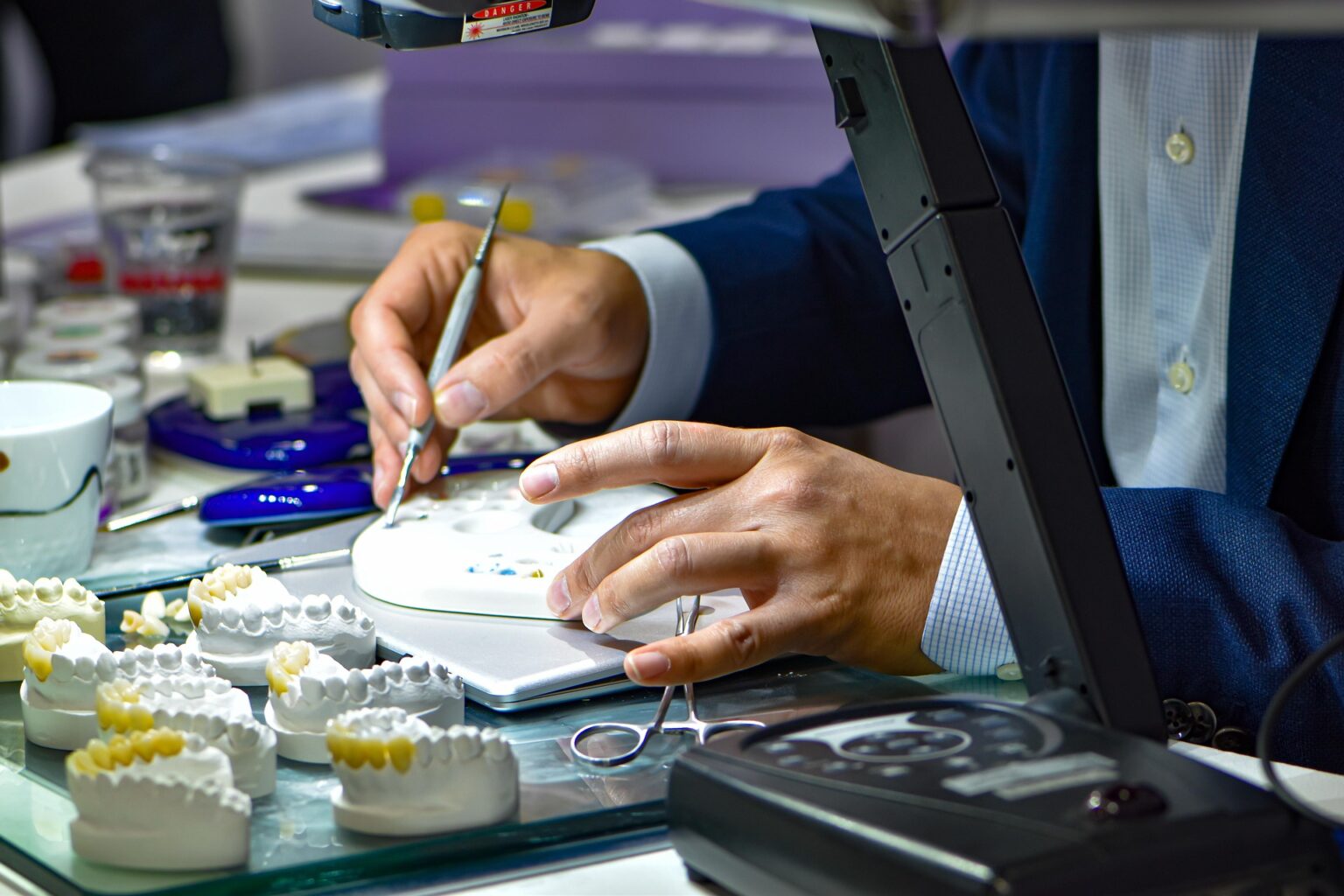
A damaged tooth changes more than your bite. It changes how you chew, how you speak, and often how willing you are to smile without thinking about it. I have seen patients walk into a dental office convinced they need an extraction, only to learn that a well-made crown can save the tooth and restore normal function for years. That is why conversations around Dental Crowns Oxnard CA matter. A crown is not just a cap placed on a tooth. It is a carefully planned restoration that protects vulnerable structure, supports your bite, and often prevents a much bigger problem later.
In a coastal community like Oxnard, where people stay active and tend to value both health and appearance, crowns are one of the most practical restorative treatments in dentistry. They serve patients with cracked molars, worn front teeth, large failing fillings, and teeth that have been treated with root canals. They also play an essential role in implant dentistry and bridgework. What surprises many people is how customized the process is. Two patients may both need crowns, but the choice of material, the tooth preparation, and the long-term maintenance plan can look very different.
What a dental crown actually does
A dental crown covers the visible portion of a tooth above the gumline. That sounds simple, but the purpose is more substantial. Teeth lose strength when decay removes healthy enamel, when older fillings expand and fracture surrounding tooth structure, or when trauma creates a crack that deepens under biting pressure. A crown redistributes force around the tooth and helps keep it intact.
Think of it this way. A small cavity can usually be handled with a filling because enough natural tooth remains to carry the load. Once the damage gets larger, a filling can behave more like a patch on a weakened wall. At that point, chewing forces can split the tooth. A crown surrounds the structure and gives it a new outer shell.
This treatment is not only about function. On front teeth, crowns can improve shape, color, and symmetry when a tooth is too damaged or discolored for a simpler cosmetic option. On back teeth, the cosmetic side may matter less, but strength becomes critical. A molar that handles years of grinding, clenching, and repeated chewing needs a restoration built for that environment.
When a crown is the right choice
Dentists do not recommend crowns casually, at least not when the decision is being made carefully. Removing tooth structure to place a crown is a bigger commitment than placing a filling, so the judgment has to be sound. In practice, crowns make the most sense when the remaining tooth can still be saved, but it needs full coverage to survive.
A common example is the tooth with a very large filling that has started to break around the edges. Patients often say, “It felt fine until I bit something hard.” That is typical. Teeth can function for a long time right up until the day a cusp snaps off. Another classic case is a tooth that has had root canal therapy. Once the nerve is removed and the inner chamber has been accessed, the tooth often becomes more brittle over time. Not every root canal tooth requires a crown, but many back teeth do because they absorb significant chewing force.
Cracks are another major reason. A crack can be difficult to spot early, especially if it causes brief pain only when biting or releasing pressure. If the crack is still limited to the crown portion of the tooth and has not extended too far below the gumline or into the root, a crown may help stabilize it. Timing matters here. Delay too long, and the crack may propagate to the point where the tooth cannot be predictably saved.
Severe wear also pushes a tooth toward full coverage. In patients who grind their teeth, enamel can flatten and thin over the years. Sometimes the damage is gradual enough that people do not realize how much structure has been lost until they start experiencing temperature sensitivity, chipping, or a change in bite.
Materials matter more than most patients realize
The phrase “dental crown” covers several different materials, each with strengths and limitations. The best choice depends on where the tooth sits in the mouth, how much force it handles, whether appearance is a top concern, and how the opposing teeth come together.
Porcelain or ceramic crowns are popular because they can look remarkably natural. On front teeth and premolars, they often provide the best blend of esthetics and function. Skilled labs can layer color, translucency, and surface texture so the final restoration blends with neighboring teeth rather than looking flat or overly bright. That detail matters more than people expect. A crown that is technically sound but visually opaque can stand out every time the patient smiles.
Zirconia has become increasingly common because of its strength and durability. It works particularly well on posterior teeth and in patients who generate heavy bite forces. Earlier versions of zirconia could look somewhat chalky compared with more lifelike ceramics, but the material has improved. It is still not the answer for every case, yet it can be an excellent option in the right hands.
Porcelain fused to metal crowns are less talked about than they once were, but they still have a place. They can be strong and serviceable, although esthetic compromises sometimes appear over time, especially if the gumline recedes and a dark metal margin shows. Full metal crowns, often gold alloy, remain one of the most durable restorations in dentistry. They are especially respected for back molars because they wear predictably and can be kind to opposing teeth. The drawback is obvious. Most people do not want metal visible when they open wide or laugh.
In Oxnard, where patients often want restorations that are both strong and visually discreet, all-ceramic and zirconia crowns tend to come up frequently in treatment discussions. The right answer is case-specific, not trend-driven.
The appointment process, from evaluation to final cementation
The crown process is straightforward from the patient’s point of view, but it involves a surprising amount of precision. The first stage is diagnosis. Your dentist needs to determine not only whether a crown is needed, but whether the tooth is healthy enough to support one. That means checking for decay, fracture lines, gum health, and the condition of the root. X-rays help, but so does a careful bite evaluation and sometimes testing the tooth’s response to cold or pressure.
Once the tooth is cleared for restoration, the preparation appointment begins. Local anesthesia keeps the area comfortable. The dentist reshapes the tooth by removing weak outer structure and creating enough room for the crown material. This is where experience shows. Preparing too little can leave the crown bulky or weak. Preparing too much sacrifices healthy tooth unnecessarily. The goal is controlled reduction with smooth margins that the lab or milling system can reproduce accurately.
After preparation, impressions or digital scans are taken. Digital scanning has improved patient comfort significantly. For those who dislike impression material, the shift to intraoral scanners has been a welcome change. Accuracy can be excellent when the field is kept dry and Dental Crowns Oxnard CA the margins are clearly captured.
A temporary crown is usually placed while the final one is being fabricated, unless same-day technology is available and suitable for the case. Temporary crowns deserve more respect than they get. They protect the prepared tooth, preserve spacing, and allow the patient to function between visits. When a temporary comes off repeatedly, it is often a sign that the tooth shape, bite, or isolation was challenging, not simply that the patient “did something wrong.”
At the seating visit, the dentist checks the final crown for fit, contacts with neighboring teeth, margin integrity, bite balance, and appearance. Small discrepancies can cause big annoyance. A crown that is microscopically high can leave the tooth feeling sore for days. One that is too loose between teeth can trap food. Good dentists take time here, because tiny refinements affect comfort and longevity.
Same-day crowns versus lab-made crowns
Patients often ask whether same-day crowns are better. The honest answer is that “better” depends on the situation. Same-day systems can be excellent for selected cases. They reduce the process to one visit, eliminate the need for a temporary in many instances, and let the dentist design and mill the crown in-house. For busy patients in Oxnard who are balancing work, school pickups, and traffic along the 101, that convenience is real.
Still, convenience is not the only measure. Some cases benefit from a skilled dental laboratory, especially when esthetics are complex or when bite relationships are difficult. A talented ceramist can create subtle color blending and morphology that are hard to match quickly in-office. For a visible front tooth next to natural enamel with intricate shading, a lab-made crown may be the smarter choice.
I have seen excellent same-day results and excellent lab-fabricated results. I have also seen rushed versions of both. The technology does not replace diagnosis, preparation quality, or bite management. It simply changes the workflow.
How long crowns usually last
No crown lasts forever, and any dentist who promises otherwise is overselling. That said, a well-made crown on a healthy tooth can last a long time. Many function well for 10 to 15 years, and quite a few last longer. Some fail sooner because of decay at the margin, cement breakdown, heavy grinding, poor oral hygiene, or fracture of the underlying tooth rather than the crown itself.
Longevity has as much to do with the tooth under the crown as with the crown material. If a patient continues to sip sugary drinks throughout the day, plaque will collect at the crown margin and recurrent decay can start there. If a patient grinds hard at night and never wears the recommended night guard, even a strong crown may chip or the root may take the stress.
The best maintenance habits are simple, but they need consistency.
- Brush thoroughly at the gumline where the crown meets the natural tooth.
- Floss daily, especially if food tends to pack around the area.
- Wear a night guard if you clench or grind.
- Keep routine exams and cleanings so small issues are caught early.
- Avoid using teeth as tools for opening packages or biting hard objects.
Those basics sound almost too ordinary, but they make a measurable difference over time.
Cost, value, and what patients should ask
Crowns are an investment, and patients are right to ask what drives the fee. In Oxnard, costs can vary based on material, technology used, complexity of the case, whether core buildup is needed, whether the tooth has already had root canal treatment, and how insurance applies. A crown on a straightforward premolar is not the same as a crown on a heavily broken molar sitting next to gum inflammation and an unstable bite.
The more useful question is not “What is the cheapest crown?” but “What is being done to make this restoration last?” That shifts the conversation from sticker price to value. A lower fee may not include the same level of diagnostic work, material quality, lab craftsmanship, or follow-up attention. On the other hand, a high fee is not proof of excellence either. Patients should feel comfortable asking why a specific material is being recommended, what alternatives exist, and what the realistic lifespan may be in their case.
When insurance is involved, many plans help with crowns when there is a clear restorative need, but coverage limits, waiting periods, and downgraded reimbursements are common. Front desk teams deal with this every day, yet estimates are still estimates. Final out-of-pocket numbers can change once the claim is processed. Clear communication before treatment prevents most of the frustration.
Dental Crowns Oxnard CA and the local care experience
Searching for Dental Crowns Oxnard CA often means you are looking for more than a generic explanation. You are looking for a practice that understands the local patient base, scheduling realities, and expectations around comfort and esthetics. In a city with families, retirees, agricultural workers, professionals, and students all sharing the same dental landscape, the right approach has to be adaptable.
A patient who works long shifts may prioritize durability and efficient appointments. A younger patient preparing for a wedding may care deeply about shade matching on a front tooth. An older adult replacing a failing crown after twenty years may need the dentist to assess not only the tooth but the surrounding gum recession and neighboring restorations. These are not textbook variations. They are everyday treatment planning decisions.
Oxnard’s climate and lifestyle can also shape habits that affect dental health. Frequent coffee, sports drinks, snacking on the go, and sports-related trauma all show up in the chair. So do stress-related clenching and grinding, which have become increasingly common. A crown placed into that environment has to be chosen and adjusted with those realities in mind.
What can go wrong, and how problems are handled
Even when treatment is done well, crowns sometimes need follow-up. Sensitivity after preparation is fairly common, especially if the tooth was already irritated. Mild soreness around the gums for a few days is not unusual either. Most of that settles quickly.
Persistent pain is a different matter. If the bite is too high, the tooth may feel bruised or painful when chewing. A simple adjustment often resolves it. If the nerve was already inflamed before the crown and does not recover, root canal treatment may become necessary later. That is not always a mistake in the original treatment. Sometimes the tooth had more internal damage than symptoms suggested.
Loose crowns, chipped porcelain, food trapping, and inflamed gums around poorly contoured margins are all issues dentists see from time to time. The important thing is how promptly they are recognized and addressed. Good dentistry includes aftercare, not just the delivery of the restoration.
One practical point patients appreciate hearing is this: if a temporary or permanent crown comes off, keep it if possible and call the office soon. Many crowns can be recemented if the underlying tooth and crown are still intact. Waiting too long can allow the tooth to shift, making a simple fix more complicated.
Crowns compared with other options
Not every compromised tooth needs a crown, and not every tooth can be saved with one. Fillings, onlays, veneers, root canal treatment, implants, and extractions each have their place. The art of treatment planning lies in choosing the most conservative option that still has a strong chance of lasting.
An onlay, for instance, may preserve more natural tooth than a full crown when only one or two cusps are damaged. Veneers may improve the appearance of front teeth when the underlying structure is healthy and the issue is mainly cosmetic. Extraction and implant placement may be more predictable than crowning a tooth that has a deep vertical crack or insufficient remaining structure.
Patients sometimes feel disappointed when they hear they are not a good candidate for a crown because they view it as the simpler solution. Yet a responsible dentist should tell you when the foundation is poor. A beautiful crown placed on an unsalvageable tooth is expensive delay, not good treatment.
Choosing a dentist for crowns in Oxnard
Technical skill matters, but so does communication. A dentist may place attractive crowns and still frustrate patients if expectations are not clearly explained. You want someone who discusses why the crown is needed, what material is recommended, how the bite will be managed, what the temporary phase will feel like, and what maintenance will be important afterward.
It also helps to choose a practice that takes fit and bite seriously. Patients can usually sense when a team is detail-oriented. They ask questions about your chewing comfort. They recheck contacts. They listen if a crown feels “off,” even when it looks fine on paper. Those details are often what separate a crown that merely exists from a crown that disappears into daily life and feels like part of your own mouth.
If you are comparing offices for Dental Crowns Oxnard CA, pay attention to how they handle the consultation. Are they willing to explain alternatives without pressure? Do they review expected costs and insurance limitations before treatment begins? Do they discuss what happens if the tooth needs additional therapy later? Those conversations signal maturity and professionalism.
A healthier smile often starts with one saved tooth
Patients rarely celebrate the idea of needing a crown. They come in because something broke, started hurting, or no longer looks right. Yet a properly planned crown can be a turning point. It preserves a tooth that might otherwise fail, restores comfortable chewing, and often gives patients back confidence they did not realize they had lost.
A healthier smile is not built on cosmetic polish alone. It depends on stable teeth, a balanced bite, healthy gums, and restorations that suit the real demands of your mouth. Crowns are one of the most reliable tools dentists have for reaching that goal. When they are chosen thoughtfully, made well, and cared for properly, they do far more than cover damage. They help you keep your natural smile working, looking, and feeling the way it should.
Omni Dental Specialty
1690 E Gonzales Rd
Oxnard, CA 93036, United States
Phone: +1 805-410-9603
FAQ About Dental Crowns Oxnard CA
What is the average cost of a crown in California?
The fee depends on the crown material, tooth condition and any additional treatment. Request an itemized estimate from Omni Dental Specialty after an examination, and confirm insurance benefits before scheduling.
How long do dental crowns last?
Longevity varies with the material, fit, oral hygiene and biting habits. Regular dental reviews help identify wear, damage or decay. A crown does not need replacement solely because it reaches a particular age.
Do teeth go bad under crowns?
Decay can develop in the remaining natural tooth, particularly near the crown margin. Brush with fluoride toothpaste, clean between teeth daily and keep dental appointments. Report new pain or looseness promptly.
Which crown is best for bruxism?
No material suits everyone. Your dentist assesses grinding, tooth position, bite forces and appearance before recommending a crown. A protective appliance may also be recommended to manage stress on the restoration.