Dental Crowns for Worn Teeth: Restoring Shape and Strength
Teeth wear down quietly. Most people do not notice it at first because the change is gradual, almost imperceptible from month to month. Then one day the front teeth look shorter in a photo, the back teeth feel flatter when chewing, or the edges start to chip in small, annoying ways. Some patients come in because of sensitivity. Others come in because they feel their bite has changed, even if they cannot explain exactly how. A surprising number simply say, “My teeth look tired.”
That description is more accurate than it sounds. Worn teeth often lose not only enamel, but also the contours that help them function well. The biting edges become thin, the chewing surfaces flatten, and the overall shape of the tooth changes. When wear becomes significant, it can affect appearance, chewing efficiency, comfort in the jaw joints, and the long-term survival of the teeth themselves. In the right case, Dental Crowns can restore what has been lost, both in shape and in strength.
Crowns are not the answer for every worn tooth. They are one of several restorative tools, and deciding when to use them requires judgment. In practice, the best outcomes come from understanding why the teeth wore down in the first place, how much structure remains, what the bite is doing, and what the patient hopes to achieve. The crown itself matters, but the planning matters more.
What worn teeth actually look like in practice
Tooth wear is not a single condition. It is a pattern of damage with several possible causes. Some teeth wear from grinding and clenching, often during sleep. Some dissolve gradually in acidic environments, whether from diet, reflux, or certain medical conditions. Some suffer a combination of mechanical wear and chemical erosion, which can accelerate the damage far beyond what either factor would cause alone.
Clinically, worn teeth often have a characteristic look. The edges of front teeth may appear translucent, ragged, or shortened. Back teeth can develop broad, shiny, flattened chewing surfaces. Small chips may appear in the enamel. In more advanced cases, the yellow or brown dentin under the enamel becomes exposed. That dentin wears faster than enamel, so once it is uncovered, the process often speeds up.
A patient in their early forties with long-term nighttime grinding may still have healthy gums and no cavities, yet the teeth can already be substantially shortened. Another patient in their late twenties with frequent acidic drinks and chronic reflux may show cupping and thinning of enamel despite good brushing habits. Those are very different stories, even if both eventually need restorative treatment.
This distinction matters because replacing lost tooth structure without addressing the cause is rarely durable. If the grinding continues unchecked, or the acid exposure remains constant, even a beautifully made crown can fail earlier than it should.
When a worn tooth needs more than a filling or bonding
Minor wear can sometimes be treated conservatively. Bonding can rebuild small chips and modest edge loss. In some cases, carefully planned onlays or veneers can restore form while preserving more tooth structure. Crowns enter the conversation when the wear is extensive enough that the tooth needs full coverage for protection and stability.
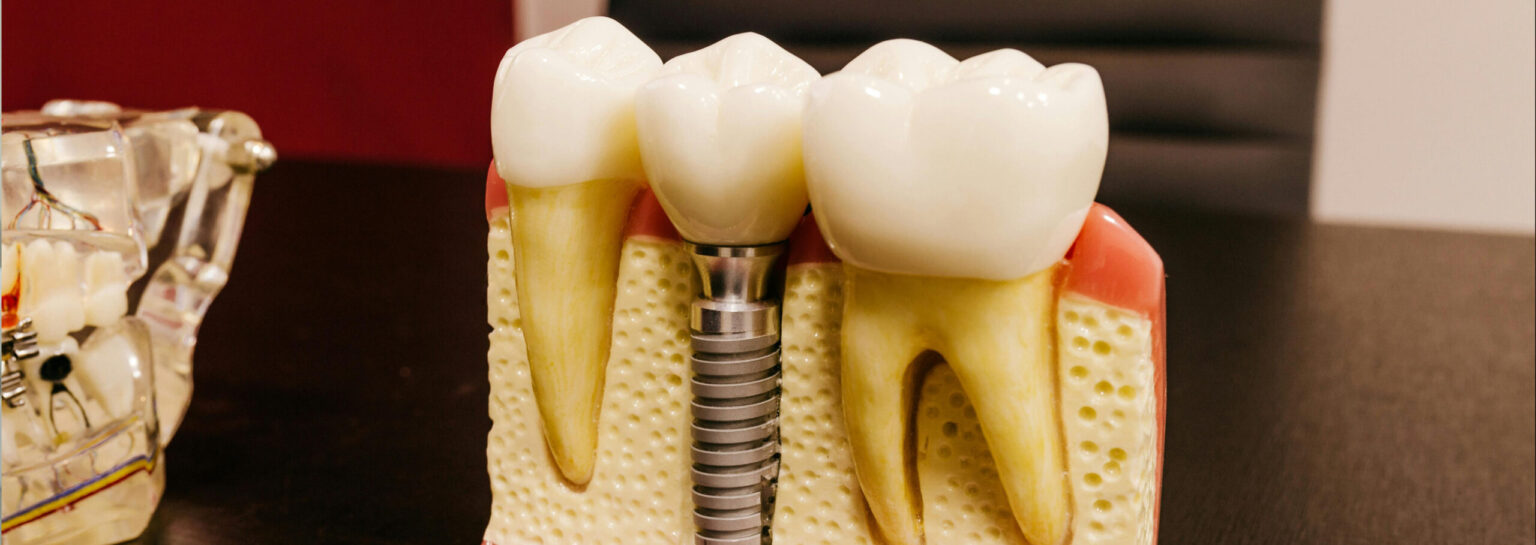
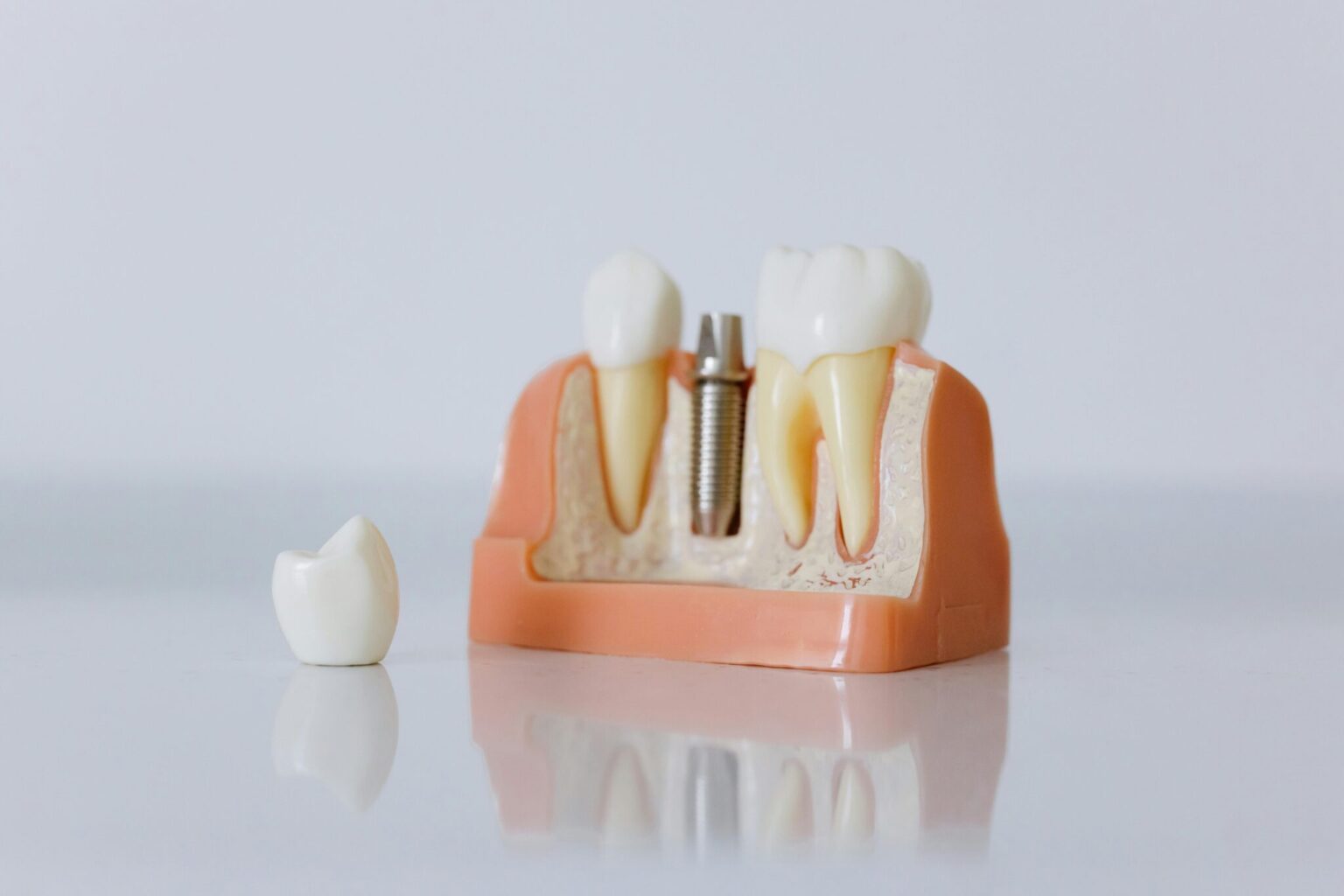
A crown covers the visible portion of the tooth and recreates its external form. For a worn tooth, that can mean restoring lost height, rebuilding chewing anatomy, protecting weakened cusps, and reducing the risk of further fracture. When a tooth has been worn so much that there is not enough strong enamel left to support a more limited restoration, a crown often becomes the more predictable choice.
There is also a functional reason. Teeth are not blocks. They have slopes, ridges, contact points, and specific contours that guide the bite. Once those contours are lost, patients may not chew efficiently, and the bite can become unstable. A crown allows the dentist and technician to recreate anatomy with far more control than a simple patch repair would allow.
Still, “more coverage” does not automatically mean “better treatment.” A crown requires reshaping the tooth, and that is a meaningful step. If a tooth can be restored well with a less aggressive option, that often deserves serious consideration. The art lies in matching the restoration to the extent of damage and the mechanical demands it must withstand.
Why wear happens before any crown is planned
The most common mistake in treating worn teeth is focusing only on the restoration. Before any final treatment is chosen, the underlying cause needs to be understood as clearly as possible.
Bruxism, meaning grinding or clenching, is one of the major drivers. Patients often do not know they do it until a partner hears the grinding or a dentist points out the signs. The wear pattern is usually mechanical, with flattened surfaces and stress-related chips or cracks. These patients may also report morning jaw soreness, temple tension, or headaches.
Acid erosion creates a different pattern. Teeth may look silky, smooth, and thinned. The enamel can appear scooped out, especially on chewing surfaces. Sports drinks, energy drinks, citrus-heavy habits, and frequent sipping of acidic beverages all contribute. So can gastric reflux, sometimes even when the patient has no classic heartburn symptoms.
Age plays a role, but it is not the whole story. A healthy older adult may have some normal wear and still never need crowns. On the other hand, a younger person with severe parafunction or acid exposure can need major reconstruction surprisingly early.
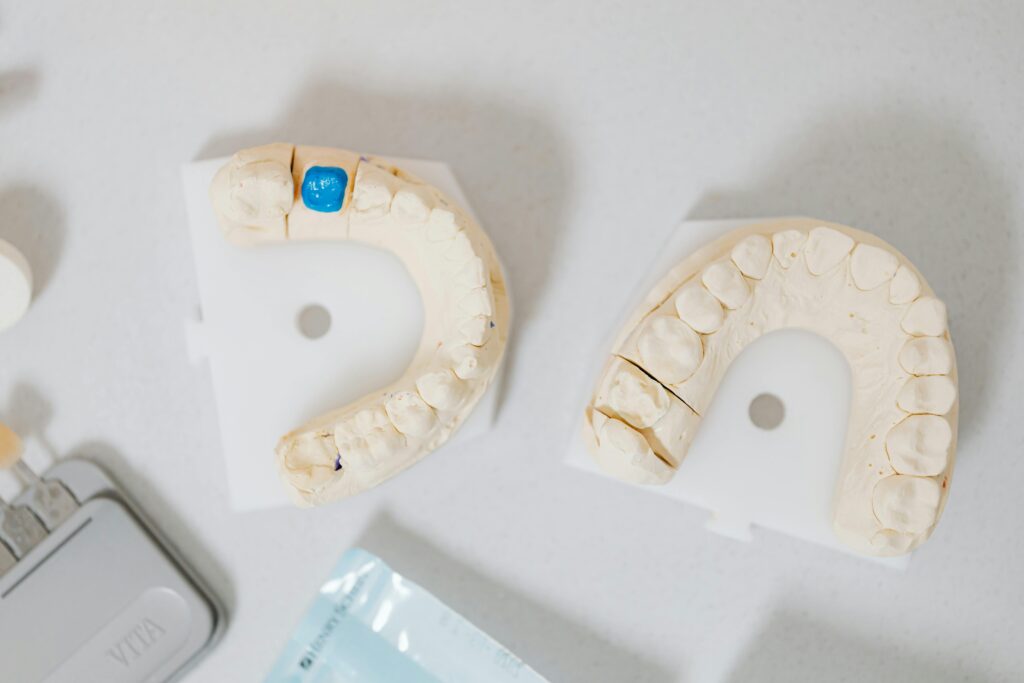
A proper workup usually includes a close exam, photographs, radiographs when needed, and a careful bite analysis. Often impressions or digital scans help visualize the amount of lost tooth structure. In more involved cases, a diagnostic wax-up or digital mock-up allows the team to test how the teeth might be rebuilt before any irreversible work starts. That planning step can prevent a great deal of trouble later.
How Dental Crowns restore shape
When people hear “crown,” they often think only of strength. Strength is important, but shape is just as critical.
Worn teeth are typically shorter, flatter, and less defined than they should be. Restoring shape means re-establishing tooth length, edge position, chewing anatomy, and the small contact relationships that keep food from packing between teeth. In the front of the mouth, it also means restoring facial support, smile symmetry, and the way the teeth show when speaking.
For example, a patient with severely shortened front teeth may feel that their smile has aged. The lips can lose support, and the teeth may disappear from view when the person talks. Rebuilding those teeth with carefully proportioned crowns can make the face look more rested and balanced, not because the crowns are “cosmetic” in a superficial sense, but Dental Crowns because tooth form influences the lower face more than many people realize.
In the back of the mouth, shape governs function. A molar crown should not be a flat platform. It needs anatomy that fits the opposing teeth and distributes force sensibly. If the crown is too high, too low, too steep, or too broad, the tooth may feel wrong immediately, or it may create trouble gradually through uneven loading.
This is where experienced laboratory work and communication matter. Shade matching gets the attention, but contour, occlusion, and emergence profile often determine whether a crown simply looks acceptable or truly functions as part of the mouth.
How crowns restore strength, and what that really means
A crown does not make a tooth indestructible. It reinforces and protects a damaged tooth by encasing it in a durable material and redistributing chewing forces more favorably. That is an important difference.
A heavily worn tooth can become structurally compromised even without a cavity. Thin enamel margins are prone to chipping. Exposed dentin wears more quickly. Existing fillings in a worn tooth may be under constant strain. Over time, that tooth becomes less able to tolerate normal function, let alone the extra forces of clenching.
By covering the tooth completely, a crown can reduce the risk of cusp fracture and further breakdown. This is especially valuable on molars and premolars where chewing loads are high. On front teeth, crowns can also protect weakened edges from repeated fracture when bonding alone has failed or would be too fragile.
Material choice plays a large role here. Different crown materials offer different balances of strength, esthetics, thickness requirements, and wear behavior. In broad terms, dentists often consider these options:
- All-ceramic crowns, which can provide excellent esthetics and good durability when chosen appropriately.
- Zirconia crowns, valued for high strength and increasingly good appearance, especially in posterior teeth.
- Porcelain-fused-to-metal crowns, a long-standing option with proven service, though less commonly chosen for highly esthetic cases.
- Gold or high noble metal crowns, still outstanding mechanically for some back teeth, though many patients prefer tooth-colored materials.
There is no single best material for every worn tooth. A back molar in a strong grinder may benefit from a different material choice than an upper lateral incisor in a highly visible area. The decision should reflect force levels, available space, esthetic priorities, and how the tooth fits into the overall plan.
The question of bite height, and why it deserves respect
One of the most nuanced parts of treating worn teeth is deciding whether the bite, often called the vertical dimension, needs to be altered. Patients sometimes assume worn teeth simply need to be made taller again. Sometimes that is true. Sometimes the body has already compensated in ways that make the situation more complex.
There are cases where the teeth have worn down, but the eruption of teeth and adaptation of surrounding structures have maintained much of the original facial height. There are other cases where there has been a genuine loss of vertical dimension, and restoring height can improve space, function, and appearance. Getting this wrong can create muscle soreness, bite discomfort, speech issues, or restorations that fail under poorly managed forces.
That is why larger wear cases are often tested before final crowns are made. Temporary restorations, trial buildups, or provisional phases allow the patient and dentist to evaluate comfort, chewing, and speech over time. A mock-up that looks ideal in a photograph may feel completely different after two weeks of real life.
Experienced clinicians tend to move carefully here. Not timidly, but deliberately. Restoring multiple worn teeth is not simply an exercise in replacing what is missing. It is a process of rebuilding a functional system.
The treatment process patients can expect
For a single worn tooth, the process may be straightforward. For a full wear case, it can be staged and methodical. Either way, the steps generally involve diagnosis, preparation, provisionalization, and final placement.
Early planning often includes records that go beyond a quick exam. Photographs, scans, models, bite analysis, and sometimes a wax-up help define the target. If the wear is significant, the dentist may recommend restoring several teeth together rather than one at a time, because each crown affects the bite relationship around it.
When the tooth is prepared, the dentist reshapes it so the crown will have enough room and proper retention. An impression or digital scan captures the prepared tooth. A temporary crown is then placed in most cases. Good temporary crowns do more than fill space. They protect the tooth, let the patient test shape and bite, and offer valuable feedback before the final crown is delivered.
At the fitting appointment, the final crown is evaluated for margins, contacts, bite, contour, and appearance. Fine adjustments are common and expected. A crown that looks beautiful but sits slightly high in the bite can become a persistent irritant, so meticulous checking matters.
Patients are often relieved by how normal the tooth feels once the crown is settled, but the adjustment period should not be dismissed. If the case involves changes in bite or multiple crowns, a short adaptation phase is common.
What makes a crown succeed on a worn tooth
The crown itself is only part of the success equation. The foundation, the bite, and the patient’s habits matter just as much.
A crown on a worn tooth tends to do best when there is enough healthy tooth structure remaining, the margins are sound, and the forces on the tooth have been considered realistically. It also helps when expectations are sensible. A patient who grinds heavily at night and declines any protective appliance is taking on more risk. A patient with uncontrolled reflux may continue to erode exposed tooth surfaces around the crowns. Restorations exist in a real mouth, not an idealized one.
In practice, the following habits support longer crown life:
- Wearing a night guard when grinding or clenching is present.
- Managing acid exposure, whether dietary or medical, with appropriate guidance.
- Keeping regular maintenance visits so small bite changes or early wear can be caught.
- Cleaning carefully around crown margins to protect the surrounding gum and tooth structure.
- Reporting any feeling of a “high spot” promptly rather than adapting to it for months.
Well-made crowns can last many years, often well over a decade, but lifespan varies widely. Material, bite forces, oral hygiene, and the quality of planning all influence the outcome. Promising an exact number would be misleading. The more honest answer is that a carefully selected and properly maintained crown can be a durable restoration, though no dental work lasts forever.
Situations where crowns may not be the first choice
There are cases where a crown is too much, too soon. If wear is limited to the edges of front teeth and enough enamel remains, direct bonding may preserve more natural structure and still give a very good result. If the wear pattern is primarily erosive and active, disease control may need to come before definitive restorations. If a tooth is already structurally weak from cracks, root issues, or previous extensive treatment, the discussion may include whether the tooth is truly restorable at all.
Young patients deserve especially careful thought. A 25-year-old with worn teeth may live with the Dental Crowns consequences of treatment decisions for decades. If a minimally invasive option can buy time without compromising the long-term picture, that can be valuable. At the same time, delaying too long in a case of active breakdown can allow the problem to become harder and more expensive to treat later.
This balance is where experience shows. Dentistry is full of gray zones. The right decision is often not the most aggressive or the most conservative option, but the one that best fits the biology, mechanics, and timeline of that specific patient.
Esthetics matter, even when strength is the main goal
Many worn-tooth cases start with function, but esthetics usually enter the conversation quickly. Worn teeth can make a smile look collapsed, uneven, or prematurely aged. Restoring them with crowns can improve not only color and uniformity, but also proportions and support for the lips.
That said, overbuilt crowns are a common pitfall. If teeth are lengthened without proper attention to facial proportions, speech patterns, and bite dynamics, the result can look bulky or artificial. Natural teeth are not uniformly thick or perfectly symmetrical. The best crown work often looks unremarkable in the best sense. It blends.
Shade selection also deserves realism. Teeth that have suffered wear are often darker because dentin is exposed or the enamel has thinned. Some patients want a bright transformation. Others want the crowns to disappear into the existing dentition. Neither goal is wrong, but both require honest discussion. Matching one single front tooth can be more technically demanding than making six crowns look attractive together.
The long view after treatment
Once worn teeth have been restored, maintenance becomes part of the treatment, not an optional add-on. Crowns can restore shape and strength, but they do not erase the forces that created the problem. Ongoing monitoring keeps the result stable.
Patients who receive crowns for wear often need periodic bite checks, especially if they grind. Night guards are not glamorous, but they can spare the crowns and the natural teeth from a great deal of damage. If acid contributed to the wear, medical and dietary management remains important. Even perfect crowns can be undermined by neglected reflux or constant acidic sipping habits.
There is also a psychological dimension worth acknowledging. Many patients with worn teeth have adapted slowly to a compromised bite and smile. After restoration, they may need a little time to trust their teeth again, to chew normally, to smile without hesitation. That adjustment is common. When the treatment has been done thoughtfully, the mouth often feels not foreign, but restored to what it should have been all along.
Dental Crowns have a well-earned place in treating worn teeth because they address two losses at once. They rebuild the form that has been ground, dissolved, or chipped away, and they protect what remains from further breakdown. Their value, however, lies not in the label “crown” but in the quality of diagnosis behind them. When the cause of wear is understood, the bite is respected, and the restoration is chosen with discipline, crowns can do far more than cover damage. They can return a worn dentition to comfort, function, and quiet confidence.
Omni Dental Specialty
1690 E Gonzales Rd, Oxnard, CA 93036, United States
+1 805-410-9603
FAQ About Dental Crowns
How long do crowns last on teeth?
A dental crown often lasts about five to fifteen years, although some last longer. Material, the underlying tooth, oral hygiene and grinding habits affect longevity. Regular dental examinations help identify wear, decay or a loose crown; no lifespan is guaranteed.
How much does a tooth crown cost?
There is no single price for every crown. Material, laboratory work, the condition of the tooth and any additional treatment affect the fee. Ask for a written estimate and confirm your insurance benefits, exclusions and out-of-pocket costs before treatment.
What is the downside of crowns on teeth?
A conventional crown usually requires irreversible removal of some tooth structure. Possible problems include sensitivity, chipping, loosening and decay at the crown margin; some teeth later need root canal treatment. Discuss your tooth's condition, material choices and suitable alternatives with your dentist.